Bowl Nutrition Blog & Articles

Informational articles exploring healthy meal ideas for delivery, the nutritional value of bowl lunches, and the principles of genuine meal balance. All content is written for educational purposes only.

๐ŸŒฟ Nutrition โ˜€๏ธ Lunch Ideas โš–๏ธ Meal Balance ๐Ÿฅ— Bowl Guides
๐ŸŒฟ Nutrition ยท 8 min read

Healthy Meal Ideas for Delivery: A Nutritional Overview
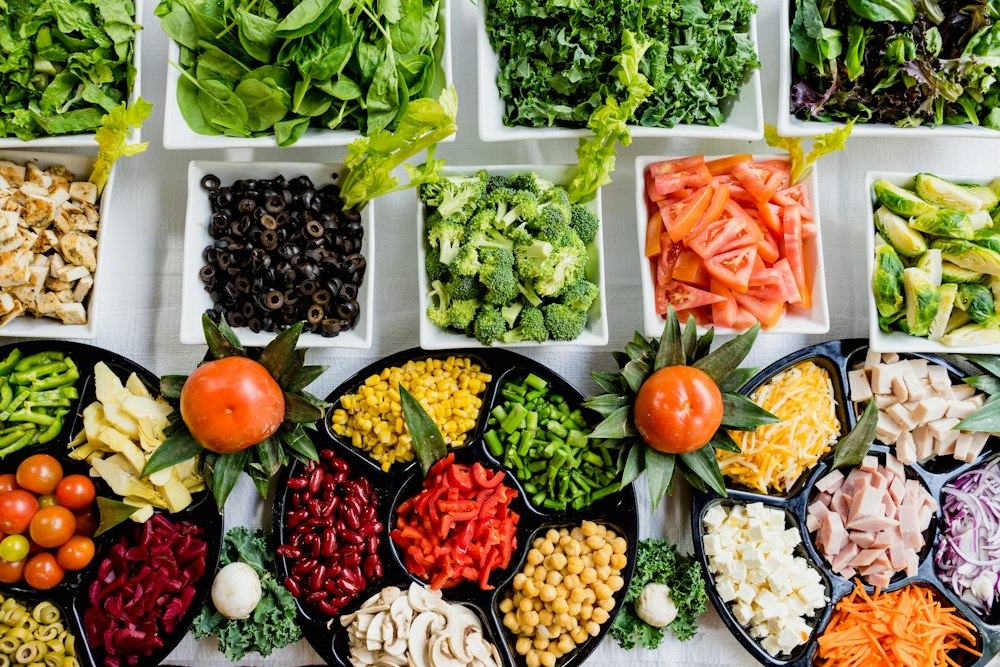
Spread of fresh, colourful ingredients for healthy bowl meals including grains, vegetables and proteins

The phrase "healthy meal delivery" is one of the most searched food-related queries in modern urban contexts โ€” and for good reason. As working patterns have shifted, the practical demand for nutritious meals that arrive at the door rather than requiring home preparation from scratch has grown substantially. Yet the definition of "healthy" in this context remains genuinely contested, frequently misunderstood, and routinely exploited by marketing language that prioritises appeal over accuracy.

This article offers a grounded, ingredient-focused overview of what genuinely healthy meal delivery looks like in the context of bowl delivery near me searches โ€” moving beyond calorie counts and superfood buzzwords toward a more practical and nutritionally literate framework for evaluating your options.

What "Healthy" Actually Means in a Delivered Meal

In nutritional science, "healthy" is not a binary descriptor but a spectrum defined by multiple intersecting factors: macronutrient composition, micronutrient density, fibre content, degree of processing, ingredient quality, and meal timing. A meal can be low in calories yet nutritionally impoverished; it can be high in calories yet extraordinarily nutrient-dense. The caloric reductionism that dominates popular diet culture is a significant barrier to genuinely informed meal choices.

When applying this thinking to healthy bowl delivery, the following characteristics most reliably indicate genuine nutritional quality, regardless of how the service describes its offerings:

  • Ingredient identifiability: You should be able to recognise and name every component in the bowl. Highly processed meals contain ingredients that are themselves compound products โ€” sauces made from unspecified bases, protein sources described only as "seasoned mix" โ€” which obscures true nutritional content.
  • Macronutrient representation: A genuinely healthy bowl includes meaningful amounts of protein, complex carbohydrates, healthy fats and dietary fibre. The absence of any one of these four components represents a nutritional gap.
  • Vegetable proportion: The percentage of the bowl's volume made up by vegetables โ€” particularly diverse, colourful varieties โ€” is one of the strongest practical proxies for nutritional quality in a delivered meal.
  • Preparation method transparency: Grilled, roasted, steamed and raw preparations preserve more nutritional integrity than fried, battered or heavily processed alternatives. The preparation method matters as much as the ingredient itself.

Bowl Delivery as a Vehicle for Nutritional Intelligence

The bowl format is, structurally, one of the most nutritionally versatile available in food delivery. Unlike sandwiches (which constrain ingredient volume by bread structure), pasta dishes (which are inherently carbohydrate-dominant) or protein-and-sides formats (which struggle with vegetable diversity), bowls accommodate virtually unlimited ingredient variety within a single, portioned meal.

This structural openness means that bowl delivery services โ€” when operating with genuine nutritional intent โ€” can achieve levels of macronutrient balance, micronutrient diversity and ingredient quality that are difficult to replicate in other delivery formats. The challenge for the consumer is developing the literacy to identify which services are genuinely nutritionally committed versus which are simply using health-adjacent language as marketing positioning.

Three Healthy Meal Ideas Translated into Bowl Formats

The following are illustrative bowl compositions that exemplify genuine nutritional quality within common healthy meal delivery contexts. These are not endorsements of specific products but educational examples of what nutritionally sound bowls look like in practice:

The Recovery Bowl (Post-Exercise): A base of quinoa (complete protein, iron, magnesium), topped with approximately 150g of grilled chicken breast or salmon, half an avocado for monounsaturated fats, a generous portion of steamed broccoli and spinach for vitamins K and C, edamame for additional plant protein, and a light tahini dressing. This composition provides approximately 35โ€“45g protein, 40โ€“50g complex carbohydrates, 15โ€“20g healthy fats and 8โ€“12g dietary fibre.

The Focus Lunch (Cognitive Performance): A mixed greens base with shaved fennel and cucumber for hydration and digestive ease, a modest portion of roasted salmon or tofu, a small serving of farro or light grain, cherry tomatoes, pumpkin seeds for zinc and healthy fats, and a lemon-herb vinaigrette. Lower in total carbohydrates to minimise post-meal insulin response, with sufficient protein to maintain neurotransmitter precursor availability.

The Plant Diversity Bowl (Gut Microbiome Support): Wild rice and lentil base, roasted cauliflower and beets, shredded kale, pickled red onion (probiotic benefit), walnuts for omega-3 fatty acids, hemp seeds for protein completeness, and a lemon-tahini dressing with nutritional yeast. This composition maximises prebiotic fibre diversity โ€” currently considered one of the most significant modifiable dietary factors for gut microbiome health.

"The most consistently healthy meal delivery choice is one made with ingredient-level awareness rather than label-level trust. Read the full ingredient list, assess the four macronutrients, count the vegetable varieties, and evaluate the dressing. That four-point check takes 90 seconds and dramatically improves meal selection quality."

What to Avoid in Delivered Bowl Meals

Understanding what constitutes a genuinely healthy bowl is incomplete without an equally clear understanding of common quality-reducing elements. The following are the most frequently encountered problems in delivered bowls that appear nutritionally sound but fall short on closer examination:

High-sodium dressings: A bowl can feature excellent core ingredients and yet deliver 1,200โ€“1,500mg of sodium if the dressing is soy-based, teriyaki-style or uses processed flavour bases. The daily adequate intake for sodium is approximately 1,500mg for most adults โ€” a single bowl meal should not constitute close to the entire daily target.

Refined grain bases: White rice, processed noodle bases and white bread croutons provide carbohydrate energy but strip away the fibre, B vitamins and minerals that make complex carbohydrates nutritionally valuable. Always look for whole grain alternatives when available.

Minimal vegetable diversity: A bowl described as a "salad bowl" containing primarily iceberg lettuce, tomato and cucumber provides very limited phytonutrient value. True nutritional quality in a vegetable-forward bowl requires variety across colour groups โ€” leafy greens, cruciferous vegetables, root vegetables and alliums each contribute distinct phytonutrient profiles.

For a detailed breakdown of how these considerations apply to each bowl category, visit our comprehensive Nutrition Guide, which covers protein, balanced, plant-based and light fresh bowl types in detail.

Topics: Healthy Bowl Delivery Bowl Delivery Near Me Nutrition Basics Ingredient Quality
Next Article โ†’ Full Nutrition Guide

โ˜€๏ธ Lunch ยท 7 min read

Quick Lunch Options: Why Bowl Meals Deliver Real Nutritional Value

Colourful quick lunch bowl with fresh ingredients ready to eat at a bright workspace

The midday meal is the most nutritionally neglected meal for the majority of working adults. Breakfast, despite considerable cultural debate about its importance, receives significant attention in nutritional discourse. Evening meals are typically prepared with care or selected with deliberation. Lunch, however, is frequently reduced to whatever is fastest, most convenient and least disruptive to the working day โ€” a gap that lunch bowl delivery is uniquely positioned to fill.

This article examines why the bowl format, specifically within delivery contexts, represents one of the most practically reliable options for a genuinely nutritious quick lunch โ€” and what to look for when you order bowls online for midday consumption.

The Lunchtime Nutritional Problem

Research consistently demonstrates that the quality of the midday meal has a measurable impact on afternoon cognitive performance, mood stability and energy levels. The mechanism is relatively straightforward: high-glycaemic, high-fat, or low-protein lunches produce a cascade of post-meal physiological responses โ€” including rapid blood glucose rise followed by crash, elevated serotonin production contributing to drowsiness, and reduced acetylcholine availability affecting working memory โ€” that collectively produce the familiar "2pm slump" experienced by a substantial proportion of office workers.

The solution is not necessarily eating less, but eating more deliberately. Specifically, lunches that feature:

  • Moderate to good protein content (at least 15โ€“20g) to support dopamine and norepinephrine synthesis
  • Complex rather than simple carbohydrates for a flatter, more sustained blood glucose curve
  • Minimal refined sugars, which exacerbate the glycaemic crash pattern
  • Meaningful fibre content to slow digestion and moderate post-meal insulin response
  • Adequate hydration โ€” often addressed inadvertently by high-water-content vegetables in bowls

The bowl format naturally accommodates all five of these characteristics when thoughtfully constructed, making it one of the strongest available formats for a quick lunch that genuinely supports afternoon performance.

Why Bowl Delivery Outperforms Many Quick Lunch Alternatives

Consider the nutritional profiles of the most common quick lunch alternatives to bowl delivery, and how they compare across the five criteria above:

Sandwich or wrap: Typically bread-dominant (high refined carbohydrate), with a single protein source, minimal vegetable variety beyond lettuce and tomato, and limited fibre unless specifically a wholegrain option. Convenience is high; nutritional breadth is moderate at best.

Fast food burger or similar: High in saturated fat and sodium, refined carbohydrate dominant, low in dietary fibre and micronutrients, virtually zero meaningful vegetable content. Convenience is very high; nutritional quality is reliably low across virtually all formats.

Pre-packaged supermarket salad: Often nutritionally unbalanced โ€” either heavily vegetable-forward with insufficient protein and fat to create satiety, or protein-forward with excessive dressing creating caloric density without meaningful micronutrient contribution. Variable quality; often nutritionally incomplete.

Delivered bowl meal: When sourced from a quality provider, delivers protein variety, complex carbohydrate base, diverse vegetables across colour groups, healthy fat sources, and controlled dressing. The structured format inherently encourages nutritional completeness in a way that less structured formats do not.

Practical Criteria for Quick Lunch Bowl Selection

When time is a factor โ€” as it typically is at lunchtime โ€” the selection process needs to be efficient without sacrificing quality. The following three-point rapid assessment gives you a workable quick-decision framework for lunch bowl delivery evaluation:

Point 1 โ€” Protein Check: Does the bowl include a clearly identified protein source of at least 15g? If yes, proceed. If not, it's likely a salad-style bowl without meaningful satiety or cognitive performance support.

Point 2 โ€” Grain Quality Check: Is the carbohydrate base described as a whole grain (quinoa, farro, brown rice, barley, bulgur)? If yes, proceed. If the base is white rice, regular pasta or unlabelled "grain," nutritional quality of carbohydrate component is uncertain.

Point 3 โ€” Vegetable Diversity Check: Are three or more distinct vegetables listed in the ingredients? If yes, the micronutrient diversity is likely adequate. If not, the bowl may be nutritionally narrow despite appearing visually appealing in photography.

This three-point check takes under a minute and consistently identifies bowls worth ordering from those that are nutritionally insufficient despite marketing appearances. For a more comprehensive selection framework, see our detailed Choice Guide.

Building a Weekly Lunch Bowl Rotation

One of the most practical applications of bowl delivery as a quick lunch strategy is constructing a deliberate weekly rotation rather than making daily ad hoc decisions. A consistent, pre-planned rotation offers several advantages: it reduces decision fatigue, ensures nutritional variety across the week, allows you to build familiarity with specific bowls and their post-meal effects, and supports scheduled delivery planning through many providers.

A sample five-day rotation that covers all major nutritional priorities might look like: Monday โ€” protein bowl (post-weekend recovery, energy reset); Tuesday โ€” balanced bowl (reliable midweek nutrition); Wednesday โ€” plant-based bowl (fibre and antioxidant diversity); Thursday โ€” light and fresh bowl (maintain focus during a likely demanding day); Friday โ€” balanced or protein bowl (sustain energy through the final working day and into weekend activity).

This rotation provides weekly coverage of all four bowl categories explored in our Nutrition Guide and naturally creates the macronutrient and phytonutrient variety that represents best-practice nutritional thinking.

"The most effective quick lunch decision is the one made the evening before, not the one made when already hungry at noon. Pre-planning bowl selections against the day's predicted demands โ€” activity level, cognitive load, time constraints โ€” consistently leads to better nutritional outcomes than same-day decisions made under time pressure."

Topics: Lunch Bowl Delivery Order Bowls Online Quick Healthy Lunch Afternoon Energy
โ† Previous Article Next Article โ†’ Bowl Choice Guide

โš–๏ธ Balance ยท 9 min read

Understanding Meal Balance: Beyond the Calorie Count

Beautifully arranged balanced meal bowl illustrating nutritional diversity and colour

Calorie counting is the dominant popular framework for evaluating food quality โ€” and also one of the most nutritionally reductive. The obsessive focus on caloric content, which originated in the weight management discourse of the mid-twentieth century, has persisted long past its usefulness as a primary metric and has created widespread nutritional confusion about what a genuinely "good" meal actually looks like.

This article argues for a more sophisticated, ingredient-centred framework for understanding meal balance โ€” one that applies directly to evaluating healthy bowl delivery options and helps consumers make meaningfully better choices when they search for bowl delivery near me.

Why Calorie Counts Are an Incomplete Story

Two meals can share an identical calorie count and have profoundly different effects on satiety, energy levels, cognitive performance, gut health, and long-term metabolic health. A 600-calorie bowl of quinoa, roasted salmon, avocado and diverse vegetables will produce an entirely different physiological response than a 600-calorie portion of white rice, processed protein and a calorie-dense sauce โ€” despite the identical energy number displayed on the label.

The reasons are numerous and well-established in nutritional science:

Protein's thermic effect: Protein requires approximately 25โ€“30% of its own caloric value to digest and metabolise, compared to 6โ€“8% for carbohydrates and 2โ€“3% for fats. A higher-protein meal of equivalent calories thus results in lower net energy availability โ€” a meaningful difference often invisible to calorie-counting approaches.

Fibre's satiety effect: Dietary fibre slows gastric emptying, reduces the glycaemic index of the meal, feeds beneficial gut bacteria, and triggers satiety hormones more persistently than low-fibre alternatives. Two meals of identical caloric content but different fibre levels will produce substantially different hunger timelines post-consumption.

Glycaemic response variation: The glycaemic index and load of a meal โ€” how rapidly it elevates blood glucose and how sustained that elevation is โ€” is largely independent of caloric content. A low-calorie high-glycaemic meal can produce a more disruptive blood glucose pattern than a higher-calorie low-glycaemic one, with corresponding effects on energy, mood and appetite regulation.

Micronutrient density: Vitamins, minerals and phytonutrients have no caloric value yet exert profound effects on virtually every physiological process including immune function, hormone production, cellular repair and cognitive performance. Two meals can be calorically identical while differing dramatically in their micronutrient contribution.

The Four-Component Balance Framework

A more functional approach to evaluating meal balance focuses on ensuring that four key nutritional components are meaningfully represented in every complete meal. This framework applies directly to assessing bowl quality when ordering bowls online:

Component 1 โ€” Quality Protein: At least 15โ€“20g of protein from a clearly identifiable, minimally processed source. The quality of the protein source matters: complete proteins (containing all nine essential amino acids) are found in animal products and a small number of plant sources including quinoa, edamame and soy. Plant-protein combinations can achieve completeness through strategic pairing.

Component 2 โ€” Complex Carbohydrates: A whole grain base providing slow-release glucose, dietary fibre, B vitamins and minerals. The key distinction is between whole and refined grains โ€” a distinction that standard calorie labels do not capture but that significantly affects the meal's nutritional and metabolic value.

Component 3 โ€” Healthy Fats: Monounsaturated fats (from avocado, olive oil, nuts) and omega-3 polyunsaturated fats (from salmon, walnuts, chia seeds) support nutrient absorption โ€” particularly fat-soluble vitamins A, D, E and K โ€” and contribute to anti-inflammatory processes, cognitive function and cardiovascular health. The absence of meaningful fat in a meal actually reduces the bioavailability of many micronutrients present in the same meal.

Component 4 โ€” Vegetable Diversity: Three or more distinct vegetables, ideally spanning different colour groups, providing dietary fibre, phytonutrients, antioxidants, vitamins C and K, folate and potassium. Colour diversity in vegetables is a practical proxy for phytonutrient diversity โ€” different pigments (carotenoids, anthocyanins, chlorophylls, betalains) represent distinct antioxidant and anti-inflammatory compound families.

"A meal that ticks all four components โ€” quality protein, complex carbohydrate, healthy fat, and three-plus vegetable varieties โ€” is almost invariably a nutritionally sound choice, regardless of its caloric total. A meal that misses any one of these components has a meaningful nutritional gap that calorie numbers will not reveal."

Applying the Framework to Bowl Delivery Evaluation

Translating the four-component framework into practical bowl delivery evaluation requires only a brief review of the ingredient list โ€” something most quality bowl services now make accessible at the point of selection. The following quick-check approach applies the framework efficiently:

Scan the ingredients for a protein source (chicken, salmon, tofu, tempeh, lentils, eggs โ€” anything clearly protein-primary). Note whether the carbohydrate base is identified as a whole grain. Look for any fat-contributing ingredients: avocado, olive oil-based dressing, seeds or nuts. Finally, count the vegetable varieties โ€” aim for three or more distinct components rather than large quantities of a single vegetable.

A bowl passing all four checks is, by this framework, a nutritionally balanced choice regardless of its total caloric content. A bowl failing one or more checks has a nutritional gap that should inform your selection โ€” either choosing a different option or supplementing the bowl with the missing component at another meal.

Meal Balance Across the Day, Not Just Within Each Meal

An important extension of the meal balance concept is viewing nutritional balance at the daily level rather than requiring every individual meal to achieve perfect four-component coverage. A light and fresh bowl at lunch that is lighter in protein can be entirely appropriate if the morning meal was protein-forward. A plant-based bowl lower in certain minerals can be contextually sound if other meals of the day compensate.

This systemic, daily-level view of nutrition is more consistent with current nutritional science than the per-meal perfectionism that calorie-counting culture tends to encourage. Bowl delivery, particularly when used within a deliberate weekly rotation as described in our Quick Lunch Options article, naturally facilitates this systemic balance through variety.

For a full exploration of how different bowl types contribute to this daily nutritional picture, visit the Nutrition Guide, which provides detailed macronutrient profiles and micronutrient highlights for every bowl category. The Balancing Nutrition section of the Choice Guide translates these principles into practical delivery decision-making guidance.

Topics: Meal Balance Nutrition Science Healthy Bowl Delivery Beyond Calories
โ† Previous Article Explore Bowl Nutrition โ†’

Ready to Apply These Insights?

Use our Bowl Choice Guide to match the nutritional principles from these articles to a practical, personalised bowl selection strategy.