Protein Bowls
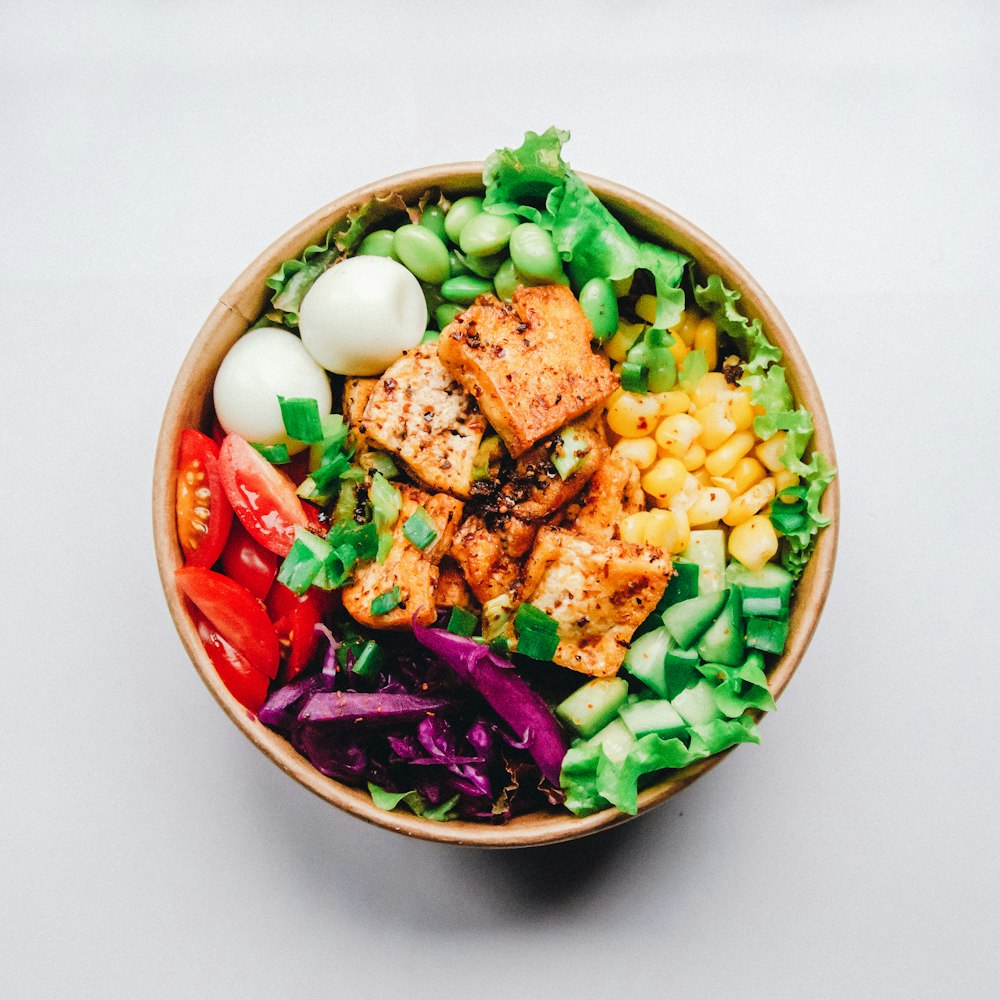
Protein bowls are intentionally constructed around high-quality protein sources as their nutritional centrepiece. Whether built on animal-based proteins such as grilled chicken, salmon or lean beef, or on plant-derived alternatives like tempeh, edamame and lentils, these bowls are designed to deliver meaningful amino acid content alongside complementary macronutrients.
When searching for healthy bowl delivery options that specifically target post-exercise recovery, satiety, or muscle maintenance, protein bowls represent the most directly relevant category. Their higher protein density supports tissue repair, reduces appetite-driven snacking, and provides the sustained energy characteristic of complete, amino acid-rich meals.
Typical Ingredients in a Protein Bowl
Nutritional Perspective
* Ranges are illustrative and vary depending on specific ingredients and portion sizes.
"Protein bowls are particularly well-suited for active individuals, those managing hunger between meals, or anyone seeking a nutrient-dense lunch bowl delivery option that keeps energy levels consistent through the afternoon."
Best-Fit Use Cases
Post-Workout Recovery
High amino acid content supports muscle repair following resistance or endurance training.
Extended Satiety
Protein triggers satiety hormones more effectively than carbohydrates, reducing mid-afternoon hunger.
Metabolism Support
The thermic effect of protein is higher than other macronutrients, requiring more energy to digest.
Cognitive Focus
Amino acids and omega-3 fatty acids from fish-based proteins contribute to brain function.
Balanced Meal Bowls
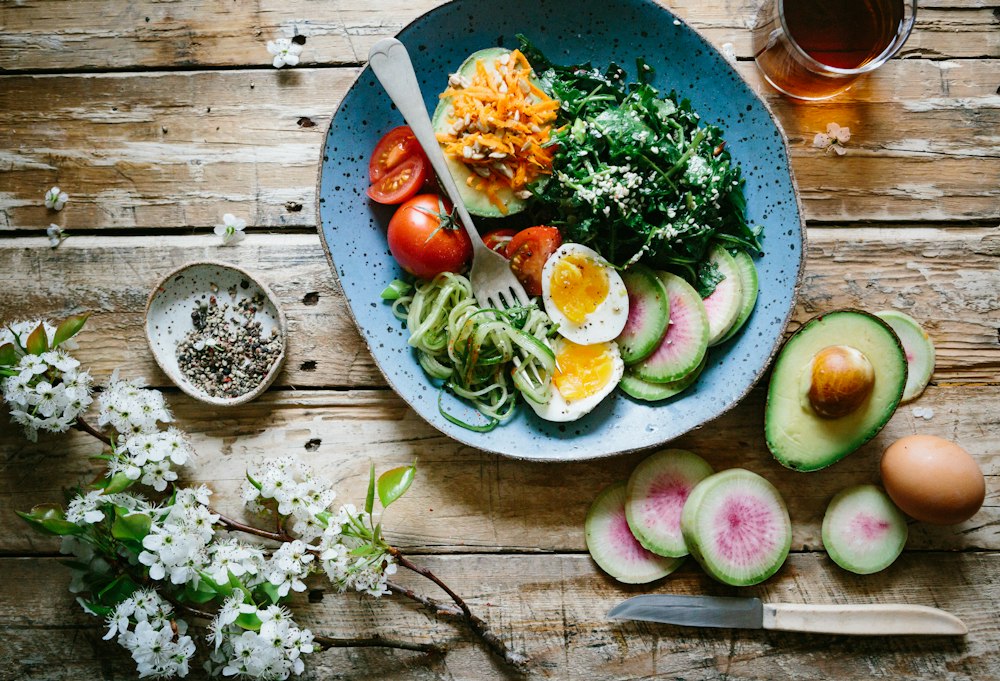
Balanced meal bowls represent the nutritional all-rounder of the bowl delivery world. Rather than emphasising a single macronutrient, these bowls distribute protein, carbohydrate, fat and fibre in thoughtful proportions — creating a meal that supports sustained energy, digestive comfort and micronutrient diversity simultaneously.
For those ordering bowls online without a specific athletic or dietary goal, but simply wanting a genuinely nutritious everyday meal, balanced bowls offer reliable, broad-spectrum nutritional coverage. They are the most versatile option across different times of day, from lunch bowl delivery to evening meals.
Typical Ingredients in a Balanced Bowl
Nutritional Perspective
* Ranges are illustrative and vary depending on specific ingredients and portion sizes.
"Balanced bowls are the everyday choice — designed for people who want reliable nutrition without overcomplicating meal decisions. Their macronutrient harmony makes them equally appropriate for sedentary days and moderately active ones."
Best-Fit Use Cases
Everyday Nutrition
The default healthy choice when no specific dietary goal is being pursued — reliable and complete.
Desk Lunch Staple
Sustains energy through afternoon work without causing post-meal cognitive heaviness.
Family-Friendly
Diverse ingredients and moderate macronutrient levels suit a wide range of ages and activity levels.
Digestive Comfort
High fibre from diverse vegetables and grains supports healthy gut microbiome function.
Plant-Based Options
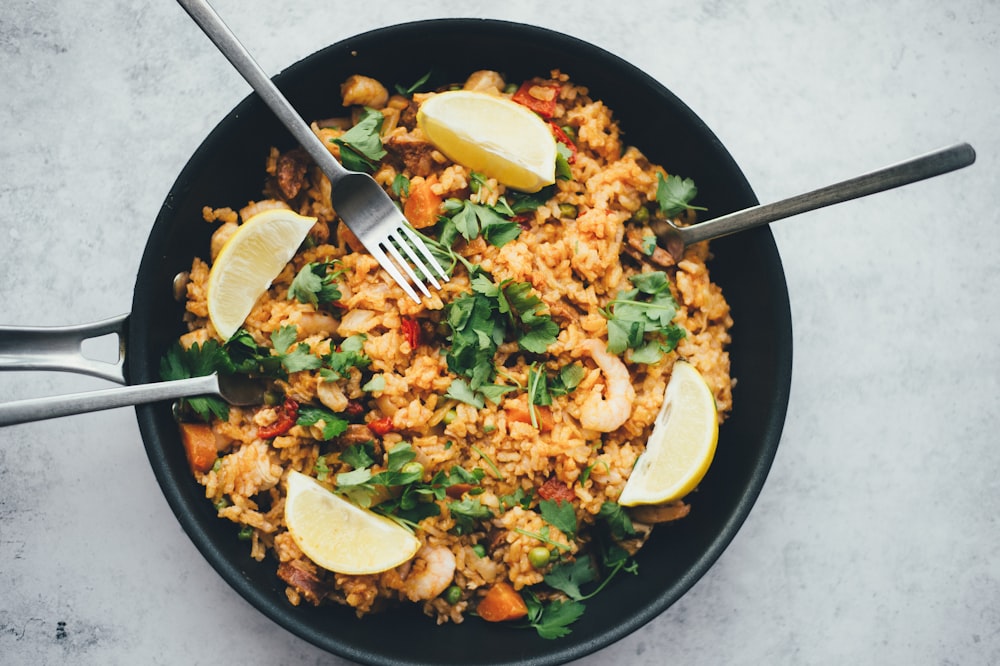
Plant-based bowls represent one of the most nutrient-dense categories in the bowl delivery landscape when thoughtfully constructed. Drawing exclusively from vegetables, fruits, legumes, whole grains, nuts, seeds and plant-derived fats, these bowls can deliver complete nutrition while providing exceptional antioxidant, phytonutrient and fibre content.
A common misconception is that plant-based eating necessarily means protein deficiency. When combining complementary plant proteins — such as grains with legumes — the full spectrum of essential amino acids can be achieved. Edamame, lentils, tempeh, and hemp seeds are particularly valuable sources of plant protein that are increasingly featured in quality bowl delivery services.
Beyond protein, plant-based bowls frequently outperform animal-based alternatives in fibre, antioxidant vitamins (particularly C and E), and certain minerals such as folate, magnesium and potassium.
Typical Ingredients in a Plant-Based Bowl
Nutritional Perspective
* Ranges are illustrative and vary depending on specific ingredients and portion sizes.
"Plant-based bowls frequently offer the most diverse micronutrient and phytonutrient profiles of all bowl categories. Their high fibre content and antioxidant density make them an excellent choice for gut health, inflammation management and long-term dietary diversity."
Key Nutritional Considerations
| Nutrient | Best Plant Sources in Bowls | Nutritional Role |
|---|---|---|
| Protein | Lentils, tempeh, edamame, hemp seeds | Tissue repair, enzyme production, satiety |
| Iron | Spinach, lentils, pumpkin seeds, quinoa | Oxygen transport, energy metabolism |
| B12 (note) | Nutritional yeast, fortified grains | Nerve function (often requires supplementation) |
| Omega-3 | Walnuts, flaxseed, chia seeds | Anti-inflammatory, cognitive support |
| Calcium | Kale, bok choy, fortified plant milk dressings | Bone density, muscle contraction |
| Zinc | Chickpeas, pumpkin seeds, oats | Immune function, wound healing |
Light & Fresh Bowls
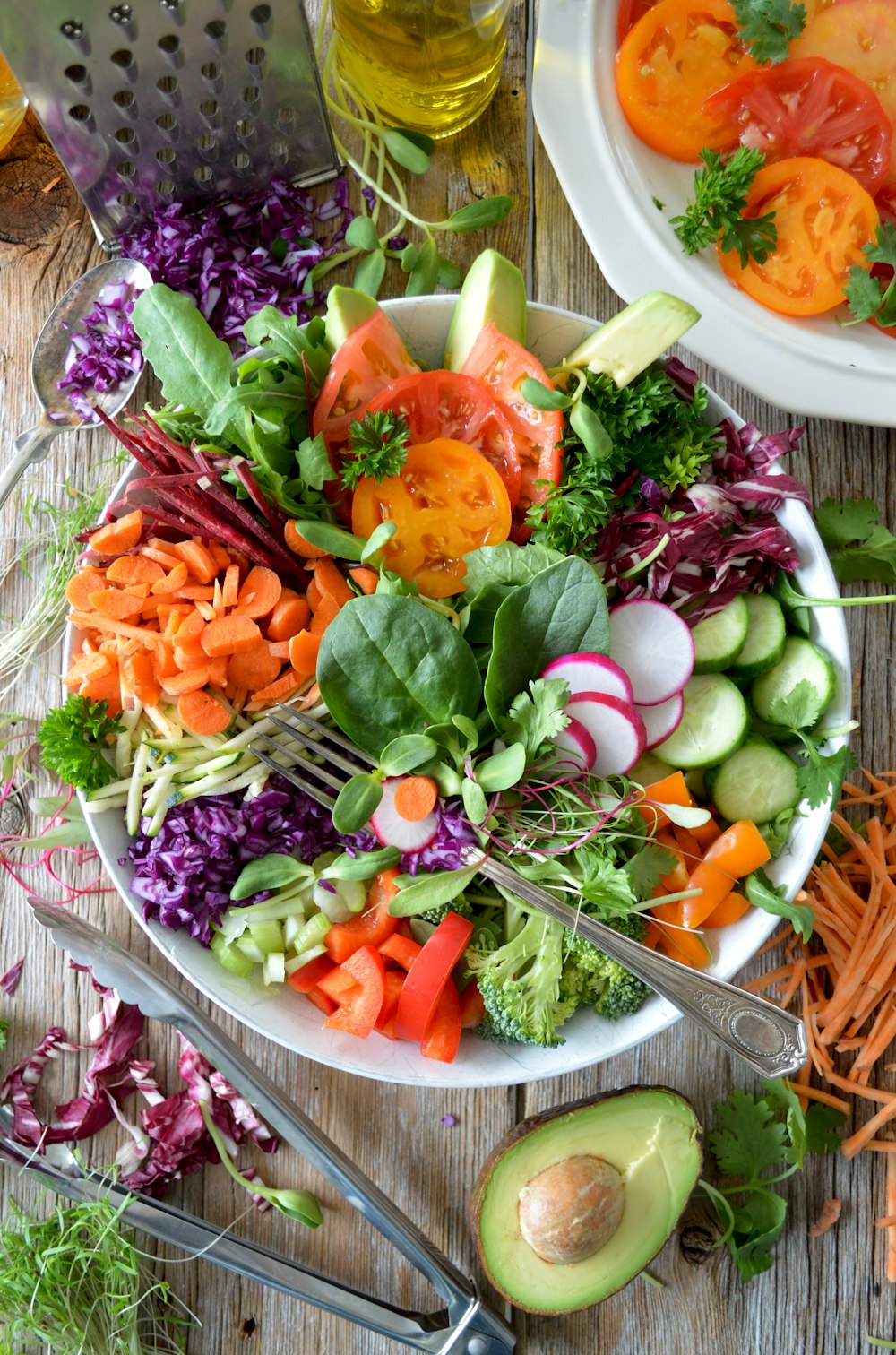
Light and fresh bowls occupy a distinct space in the bowl delivery spectrum: they are intentionally lower in calorie density while remaining rich in micronutrients, hydration, and digestive ease. Built predominantly from raw or lightly prepared vegetables, leafy greens, citrus-forward dressings and modest protein portions, these bowls are ideally suited to warmer months, midday meals, or any occasion where lightness and freshness are prioritised.
Despite their lighter profile, well-designed fresh bowls can still deliver substantial micronutrient value. The raw preparation of many ingredients preserves heat-sensitive vitamins such as C and folate, while the high water content from cucumbers, tomatoes and citrus components contributes to hydration alongside eating.
For those exploring lunch bowl delivery options specifically for midday meals, light and fresh bowls offer the advantage of avoiding post-meal fatigue — a common consequence of heavier, higher-carbohydrate lunches.
Typical Ingredients in a Light & Fresh Bowl
Nutritional Perspective
* Ranges are illustrative and vary depending on specific ingredients and portion sizes.
"Light and fresh bowls are ideal for those who find heavier lunches affect afternoon focus and energy. Their lower calorie density and high water content from raw vegetables can support hydration and digestive ease, particularly during warmer periods."
Best-Fit Use Cases
Warm-Season Eating
Refreshing and hydrating, ideal as a warm-weather lunch or afternoon bowl delivery option.
Sustained Afternoon Focus
Avoiding post-lunch energy dips by choosing lighter, easier-to-digest ingredients.
Hydration Support
Raw vegetable and citrus content contributes meaningful water intake alongside the meal.
Dietary Variety
Rotates well alongside heavier evening meals or weekends to balance overall weekly intake.
Bowl Type Nutritional Comparison
The table below offers a simplified comparative overview to help you identify which bowl category aligns most closely with your nutritional priorities. For a personalised recommendation, visit the Choice Guide.
| Bowl Type | Protein | Carbs | Fibre | Micronutrients | Best For |
|---|---|---|---|---|---|
| 🥩 Protein Bowl | High | Moderate | Good | Iron, B12, Zinc | Active recovery, satiety |
| ⚖️ Balanced Bowl | Moderate | Good | High | Broad spectrum | Everyday nutrition |
| 🌿 Plant-Based Bowl | Moderate | Good | Very High | Antioxidants, Folate | Gut health, plant diet |
| 🥗 Light & Fresh Bowl | Lower | Lower | Good | Vitamin C, Hydration | Light lunches, focus |
* This table is for general educational purposes. Actual nutritional values vary by specific ingredients, preparation methods and portion sizes.